
This blog is a series of my own thoughts after listening to an excellent podcast by Ravi Zacharias entitled Though the Fig Tree Does Not Bud. I highly recommend it, though for me it took a few listens to really get my mind fully around what he was saying.
What I’m dealing with this week is what I am calling the Inevitability of Evil. And no, this is not an article propounding Dualism, which is unequivocally false. I am not saying that evil is equal with good. And, while it seems like a reasonable conclusion, I am also not saying that evil is necessary. There is a very fine, yet discrete line between necessity and inevitability. While the concept of inevitability is contained within the word necessary, the converse is not true. What is necessary is also inevitable, but what is inevitable is not always necessary. For instance, it is necessary that if I am to survive, I will have to eat. However, while it is inevitable that I will sin today, I don’t have to. There are things that are not necessary, but because of other circumstances become unavoidable. Evil is not a required part of life’s equation, but because of the Nature of God and man’s freewill, it is inevitable in our fallen world.
The concept I am dealing with is a difficult one, but as Ravi said in the podcast, it a question that every human being must ask at some point in his life. It is that question that at some point pops into our minds as we go about our lives and encounter evil–the question of “Why?” Just about everyone has heard of the God of the Bible, and everyone knows that God is supposed to be good. Most people even know that God is omnipotent, omniscient, and omnipresent. And it is this knowledge that is the impetus for our frustrated demand for an answer from the Almighty. “God, why do you allow murder?” “Why do you allow suffering and war?” “Why did you let my loved one die?”
Is there an answer? Is the answer knowable? Can we reconcile God’s goodness with the corruption of world that He created? How can God permit such sorrow, violence, sickness, and death? Does the Bible address these questions or those like them? I submit that it does.
“O Lord, how long shall I cry, and thou wilt not hear! even cry out unto thee of violence, and thou wilt not save! Why dost thou shew me iniquity, and cause me to behold grievance? for spoiling and violence are before me: and there are that raise up strife and contention. Therefore the law is slacked, and judgment doth never go forth: for the wicked doth compass about the righteous; therefore wrong judgment proceedeth.”
– Habakkuk 1:2-4
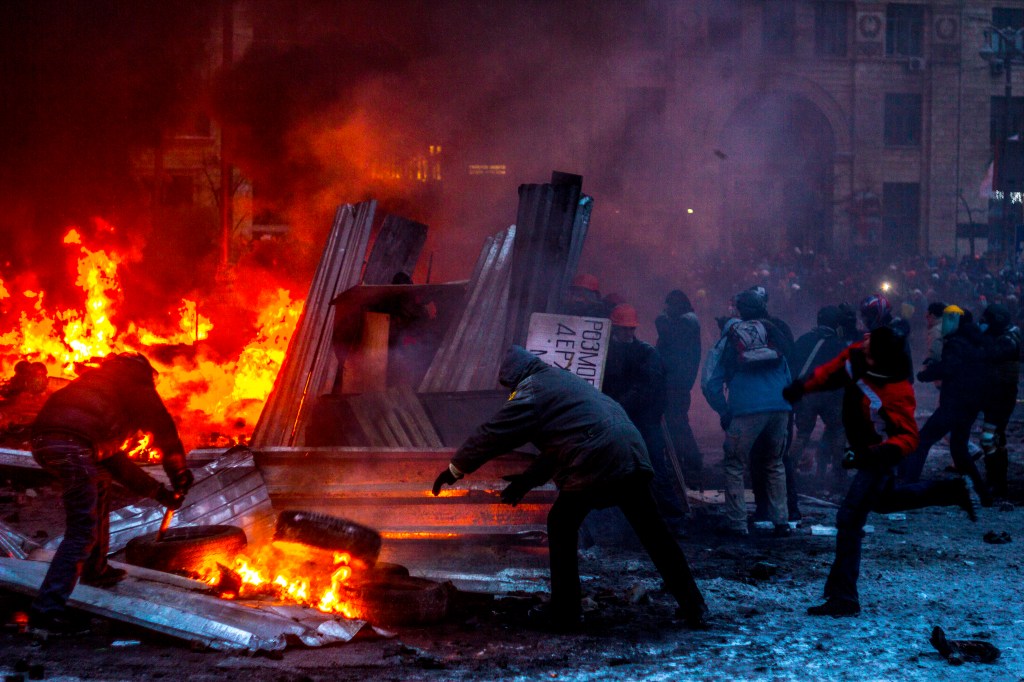
The prophet Habakkuk lived in a time when God had been forgotten in Israel, and as a result Israel’s enemies were descending upon her to spoil her, which events were orchestrated by God Himself as a corrective action on His people. Habakkuk looked around and saw the world in his day filled with violence, lawlessness, injustice, impiety, and (in a word) evil. Like us, he picked up his newspaper or turned on the news and saw headlines like those we are seeing. We see them every day, like here, or here, or here, just to name a few that I randomly selected from the Fox News homepage. We could talk about so many others, like the slaughter of those Christians on the beach by the Islamic State, or the rampant acceptance of homosexuality, and the injustices committed against Christians even in our own land. More human lives are being lost in abortion slaughterhouses than in all of the death camps of Hitler, Stalin, and Mao put together. We have succeeded and surpassed the tyrants we spent a generation of men to defeat. We, like in Captain America: The Winter Soldier, woke up one morning and realized to our horror that we are our enemy. We did not defeat Hitler in World War II, we became him, only worse. We have dressed our atrocities in more reasonable, logical, scientific-sounding philosophies, so that somehow slaughtering the unborn, which has hitherto been reserved for vilest of murderers and villains, is now performed openly in white rooms and celebrated on the internet by the mothers. How do we explain these things? What answer can we give? How do we claim to believe in a loving, holy God and accept the wanton injustice, violence, and depravity we are witness to? Habakkuk asked the same questions, and he was a prophet of God. He had not just read the Word of God, but heard it from God’s own mouth. Yet, when we read the book of Habakkuk, God does not give a 1:1 answer. Indeed, He uses the opportunity to teach Habakkuk something broader in the process.
How can God allow such evil? Habakkuk asked this in verses 1-4, and in response God goes into a detailed explanation of how he had raised up the Chaldeans, or Babylon, to punish Israel. In 12-17, Habakkuk acknowledges that God is using the Babylonians to punish the violence and depravity of Israel, but laments that they are equally as bad, and that more death and violence will result from the judgement. But Habakkuk isn’t “done with God” so-to-speak. He believes that God will answer him, and that he will be able to understand and accept God’s answer, because in Chapter 2:1 the prophet states:
“I will stand upon my watch, and set me upon the tower, and will watch to see what he will say unto me, and what I shall answer when I am reproved.”
He has made his lament and his question to God, and he says that now he will stand and watch and wait for God to respond, and will consider how he will respond to the answer. It is interesting, is it not, that Habakkuk does not say if he is reproved (or corrected), but when? He realizes that his questioning of God is in itself wrong, and knows that God will set him straight. How often do we hear people who do not believe in God at all demanding these same answers? How silly! Why would I be mad at Allah for allowing such violence among his followers when in fact I do not believe in Allah? If one doesn’t believe in God, how can one expect anything of Him? God then makes this gentle statement to his servant:
And the Lord answered me, and said, Write the vision, and make it plain upon tables, that he may run that readeth it. For the vision is yet for an appointed time, but at the end it shall speak, and not lie: though it tarry, wait for it; because it will surely come, it will not tarry. Behold, his soul which is lifted up is not upright in him: but the just shall live by his faith.
God is kind to Habakkuk despite his questioning, likely because of the humility with which he ends his tirade at God. He is a man genuinely asking God “why” and expecting a reasonable answer. Are we? When we ask God “why” are we ready for an answer? Are we just venting our grief or our anger upon Him, as if He was the murderer or He was the cancer that took our loved one? Are we really asking God why He allows evil, and are we really ready for the answer? This is part of God’s initial response. God says, “For the vision is yet for an appointed time, but at the end it shall speak, and not lie: though it tarry, wait for it; because it will surely come, it will not tarry.” He’s telling us that it will take time for us to be able to understand, but in the end, we will find it is true, and assures us that there is an answer. He finishes that thought by warning us against being prideful, and that if we are going to fully understand the answer, we will need to have faith. We will need to take God at His Word.
God then proceeds, in Habakkuk 2:5-17 to address Habakkuk’s situation specifically. He explains how Babylon will fall, and it seems that these verses principally deal with Belshazzar, who in his drunkenness defiled the holy serving vessels that were used in God’s temple, thereby crossing the line and in that same night being overthrown. But in verse 18 God turns away from the historical account, and blasts those who make idols, then ends the thought by saying, “But the Lord is in his holy temple: let all the earth keep silence before him.” This is for all ages, not just Habakkuk’s, I think. As Ravi points out in his podcast, this is God getting down much deeper than we intended to go when we demanded an answer from God. God is digging down deep, and demanding of us in return an explanation of our own. Why do we care if there is violence? Why are we aghast? Why are we offended or horrified? We set up idols in our hearts against God, in a large sense denying He exists, then demand from Him why things are wrong. He scolds us for living like He does not exist, yet blaming Him for all the wrong that our people, the human race, are guilty of. God is saying that if we don’t believe in right and wrong, then violence and disorder isn’t abnormal. Where then do we get our sense of right and wrong? Not from ourselves, surely, for left to ourselves we can plainly see where we end up: lawless and violent. This is a question of essence. We are essentially beings with a conscience, beings who understand the inherence of right and wrong. Yet with one tongue we cry “Evil is good!” and with another we cry, “Evil is evil!”
For those who really want to know the answer to the “mystery of iniquity,” as Paul puts, we need to understand first that without an acknowledgment of God’s necessity, we cannot understand the inevitability of evil. Habakkuk at this point begins to understand what God is saying. In Habakkuk 3 the prophet speaks a prayer unto God, and in it he tells volumes about God Himself, and the nature of His opinion of evil. He pleads with God to be merciful in judgement, realizing that it is just, and speaks of how God judged from His own innate holiness. Habakkuk observes God’s response to evil is to destroy it utterly. He talks of God’s omnipotence, how all of creation bows to His judgement, and indeed His very presence. God was using the evil Babylonians to punish Israel, but God would too punish those evil men, as Daniel would see in his day. Habakkuk concludes by saying that despite all the violence and death, he knows that God will be with him, and with those who love him. He says that God will make his feet to walk upon “mine high places.” God will take care of His own, as the poet James R. Lowell wrote:
“Though the cause of evil prosper, yet the truth alone is strong;
Though her portion be the scaffold, and upon the throne be wrong;
Yet that scaffold sways the future, and behind the dim unknown,
Standeth God within the shadow, keeping watch above His own.”
God allows nothing that will not be turned to good for those that love him. Joseph suffered much evil from those in his life, even his family, yet God turned the evil of his brothers into good, despite the violence they meted to him. Let’s keep a few things in mind when we ponder the question of God’s supposed tolerance of evil.
1. Mankind was meant to have freewill:
Unlike all other creatures, God made mankind in His image, or close to His nature and essence. This is readily seen as human beings have the desire to know, understand, create, and improve, whereas animals do largely what they have always done. Why did God create man with freewill, then, if He knew that man would choose to rebel against Him? While it is dangerous to encroach so close to things we ought not to question, I believe that God does want us to have peace, that He wanted people to choose to love Him, and in order to do so He had to permit to come into being those who would chose not to. We have children hoping that they will love us and become successful and happy, but we cannot make that so. If we could, we would not have real children but machines or automatons, which would be worthless as companions and friends. Each time we get pregnant and have a child, we understand that no matter how well we teach that child, he may decide at some point that he hates us and wants nothing to do with us, or that he will ruin his life in vain pursuits. But we do not look at the numbers and then conclude not to have any children because it’s too risky. No, we have children, clinging to hope. God knew what would happen, and he knew that those who rebelled would bring with them evil and ruin, but He also saw and knew those who would choose to love Him, who would dwell with Him forever in paradise, in peaceful fellowship with Him. And speaking of heaven, let’s also remember:
2. God does not view death as we do, or suffering, or any human condition. God has perfect and eternal understanding, meaning that He is not bound by the limits of sight, hearing, time, or even science. He knows exactly when and how we and our loved ones will die, and to Him, death is not such a horrible thing. Indeed, for those of us who are Christians, death has no sting. Christians need not fear death, or lament as the world does, because we know that we will meet again in the Beyond, no matter how the grief may burn here. And to an infinite God, what is time? He knows that our loved one will live forever, and that our lifetimes are less than nothing in the vast expanse of forever. Yet, for all of His great infinite wisdom of the true nature of death, God is not beyond our understanding of grief and loss, and the weariness of violence that we feel, for ultimately…
3. God experienced more suffering, despair, and death that we can possibly know. Christ suffered more physical torture, humiliation, abandonment, verbal abuse, betrayal, pain, and loneliness than anyone ever could. And He did it for us.
Surely he hath borne our griefs, and carried our sorrows: yet we did esteem him stricken, smitten of God, and afflicted. But he was wounded for our transgressions, he was bruised for our iniquities: the chastisement of our peace was upon him; and with his stripes we are healed. All we like sheep have gone astray; we have turned every one to his own way; and the Lord hath laid on him the iniquity of us all.
— Isaiah 53:4-6
How can we despair when Christ did all that for us? Violence and evil are the inevitable result of our own freewill. They are permitted by God only, not caused by Him, and only in Him do we find hope and peace. Christ perished, experiencing the worst evils of our world coalesced into a single night of physical agony and mental anguish. But because of this single act, there is hope for the world. God is holy and just, and will punish evil in every case, in all the wrath and power that He told Habakkuk He would. Jesus said on the Mount that God sends the sun to rise on the good and the evil, and the rain on the just and the unjust. But we have hope when the rain falls that we shall be under the canopy of Christ’s sacrifice for us, mitigating the evil that we have done with His own death. And in the end, we shall rise again as He did.
So don’t despair of the world and its violence and evil, or of the injustice perpetrated upon the innocent. God will judge the world, but let us place ourselves under Christ’s blood, that we may have peace no matter the evil we face, courage to endure the deepest loss and grief, and power to go forth in His name.
 Word Weld
Leave a comment